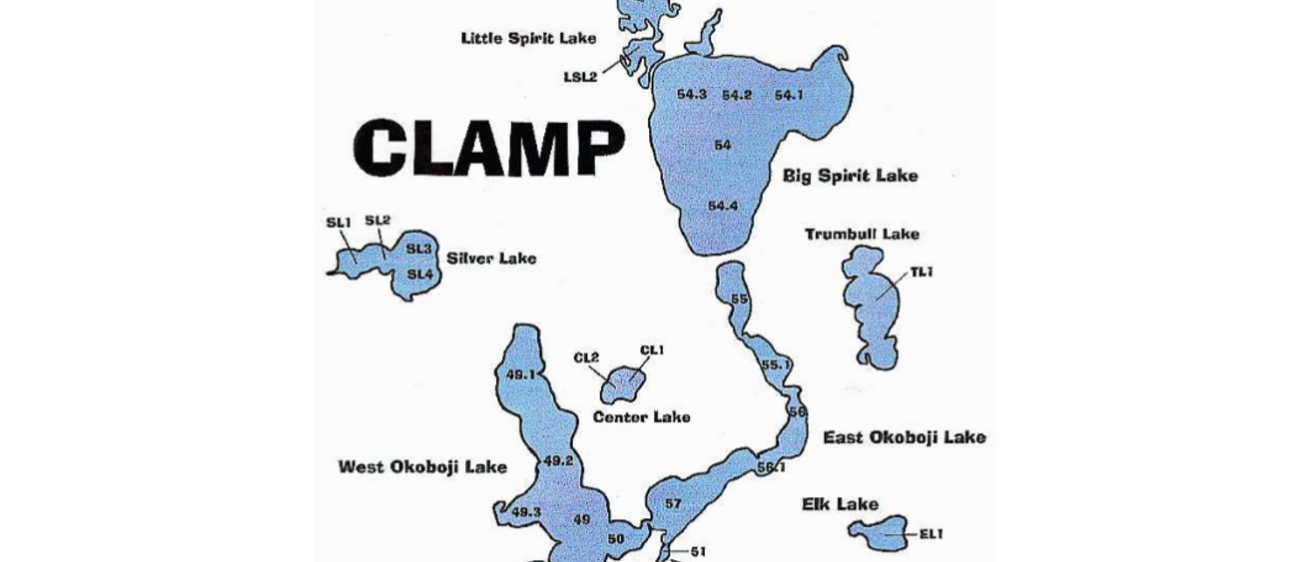
Lillie and Beverly will take the skills and knowledge they have gained in our classes and apply them to a real-world experience in data collection, processing, and analysis. Their first tasks will be to compile related geospatial and environmental datasets, including locations of Concentrated Animal Feeding Operations (CAFO), annual landcover, watershed delineations, annual crop plantings, annual snow depth, snow melt rate, and weather patterns. They will clean, reproject, and organize these datasets into a cohesive repository. While geospatial and environmental data can help inform patterns in water quality, we expect that we will need information on the local news, policy, and events to help explain trends. To gather this information, students will also review local newspapers and compile a history of environmental news and policies that may have affected the lakes' water quality. Students will begin to draw connections between these diverse datasets and provide insight into the water quality of the Iowa Great Lakes system. Collating data, ensuring data quality, and making connections between very disparate data sources are critical skills for sustainability science and environmental science careers.
Monday, February 2, 2026